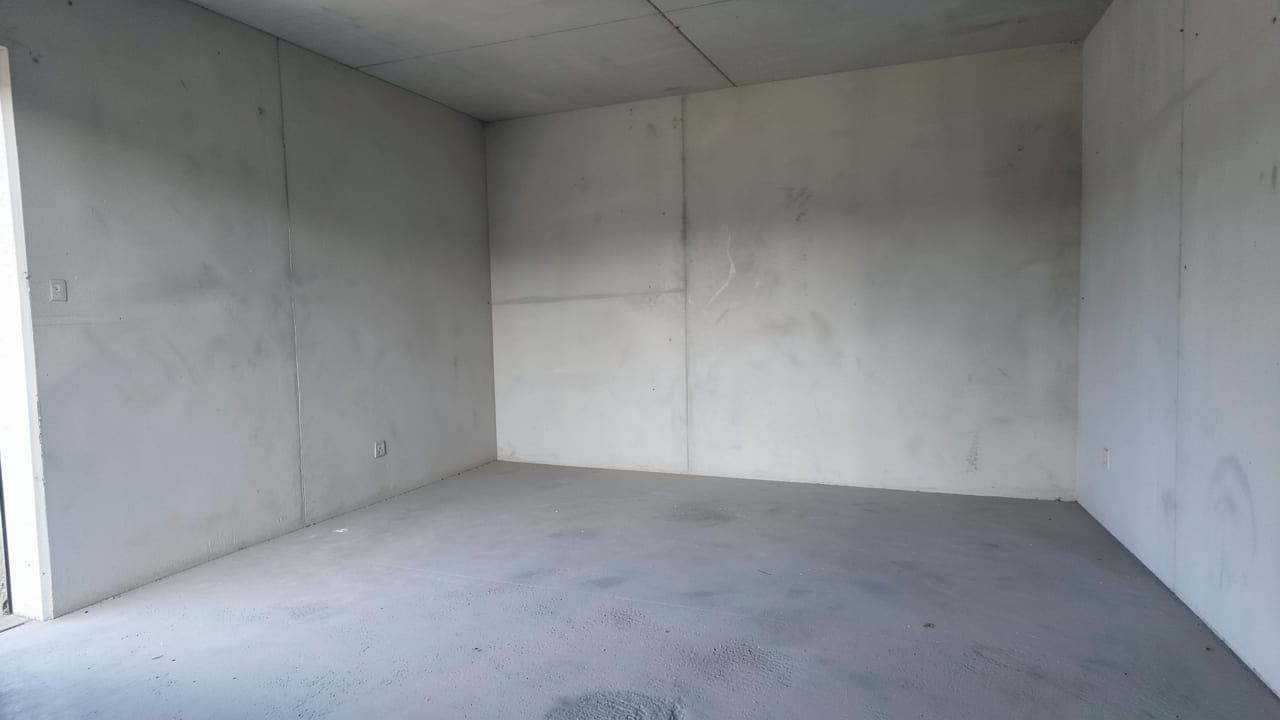
Garage Mold Removal
Professional assessment and removal of mold growth in garages to restore a safe, clean space.
Garage mold removal in Belmont, CA addresses hidden dampness problems that turn garages into breeding grounds for mold colonies. Unlike surface cleaning, professional remediation involves containment, material removal, and moisture control to prevent regrowth—critical steps that DIY methods often miss.
The process ensures spores are captured, not spread, and the source of dampness is addressed to stop future growth.
We also handle Crawl Space & Basement Mold Remediation and Attic Mold Remediation for Belmont properties.
When to call for garage mold removal
Mold in a garage often starts small but spreads quickly in damp, poorly ventilated spaces. If you notice mold covering more than a few square feet, returning after cleaning, or accompanied by a musty smell—especially when HVAC runs—it’s time for professional remediation.
Hidden mold behind walls, under flooring, or inside ductwork requires trained inspection and containment to avoid cross-contamination.
A persistent musty odor with no visible mold often signals hidden growth. Growth that keeps returning in the same spot almost always means the moisture source (leaks, condensation, or poor drainage) hasn’t been fixed. Without addressing this, mold will regrow within months, turning a small job into a recurring problem.
Signs You Need Professional Mold Removal
- Mold covers more than 25 contiguous square feet (California’s threshold for DIY cleanup).
- Mold returns within weeks of cleaning, even after scrubbing with bleach or vinegar.
- A musty smell persists with no visible mold—indicating hidden growth in walls, flooring, or ductwork.
- You notice mold after heavy rain, flooding, or a plumbing leak that wasn’t fully dried.
- The garage has poor ventilation, high humidity, or water stains on walls/flooring.
What affects cost and timeline?
The size of the affected area, type of mold (e.g., black mold), and whether hidden growth exists behind walls or under flooring all impact pricing. Surface-level mold on drywall or tile typically costs less than deep remediation requiring material removal.
Pricing also varies based on whether containment, air scrubbing, and clearance testing are included—these steps are essential but often quoted separately.
Timelines depend on containment setup, material removal, drying time, and clearance testing. A single room with surface mold may take 1–3 days, while hidden growth or structural drying can extend the process to a week or more.
Independent clearance testing adds 1–3 days to confirm spore levels are back to normal before the garage is released.
Common mistakes that worsen mold problems
Skipping containment is the fastest way to turn a small job into a full-house contamination issue. Without plastic sheeting and negative-air machines, spores stirred up during removal drift into living spaces, affecting rooms that were never moldy.
Similarly, using standard shop vacuums or non-HEPA air scrubbers recirculates spores instead of capturing them, undoing the cleanup effort.
Fixing the mold without addressing the moisture source is another common pitfall. A leak, condensation, or poor grading that feeds dampness back into the garage will trigger regrowth within months.
Post-remediation, monitoring humidity in the garage and fixing outdoor drainage issues (like downspouts dumping near the foundation) are critical to prevent recurrence.
Avoid estimates that exclude containment, clearance testing, or a written scope of work. Pressure to sign during the inspection visit or a bid far lower than others often signals cut corners—like skipping HEPA filtration or independent testing. Always confirm the contractor’s CSLB license for jobs over $500.
How garage mold remediation works
Professional remediation follows strict containment and safety protocols to eliminate mold and prevent spread.
- 1Containment Setup
Plastic sheeting seals off the garage, and negative-air machines create a vacuum to trap spores inside the work zone. This prevents cross-contamination into living areas during removal.
- 2Material Removal and Cleaning
Porous materials (drywall, insulation, carpet padding) saturated with mold are cut out and bagged. Non-porous surfaces (framing, tile) are scrubbed with antimicrobial treatments and HEPA-vacuumed to capture spores.
- 3Structural Drying
Industrial dehumidifiers and air movers dry framing and subflooring to normal moisture levels. Mold regrows on damp materials even after visible traces are removed, so drying is non-negotiable.
- 4HEPA Air Scrubbing and Vacuuming
HEPA-filtered air scrubbers run continuously during containment, and surfaces are vacuumed with HEPA tools. Standard filters let spores pass through, making them useless for mold work.
- 5Clearance Testing
An independent lab tests air or surface samples post-remediation to confirm spore counts are back to normal. Without this step, there’s no proof the job was fully resolved.
Frequently asked questions
My garage mold keeps coming back after cleaning. What’s the likely cause?
Recurring mold almost always means the moisture source—like a leak, condensation, or poor drainage—wasn’t fixed. Surface cleaning without addressing dampness is like treating a symptom without the cause. Have the garage inspected for hidden leaks or humidity issues.
Do I need to evacuate my home during garage mold removal?
Not if containment is properly set up. Plastic sheeting and negative-air machines keep spores confined to the garage. However, pets or sensitive individuals may be asked to stay out of high-traffic areas until testing confirms clearance.
How long until my garage is safe to use after remediation?
Surface-level mold jobs may take 1–3 days, but hidden growth or structural drying can extend this to a week or more. The garage isn’t considered safe until clearance testing confirms spore levels are normal—usually 24–48 hours after drying completes.
Will my insurance cover garage mold removal?
Coverage depends on the cause. Insurance typically covers sudden water damage (e.g., pipe bursts) but may deny claims for gradual issues like chronic humidity or poor ventilation. Check your policy or consult your agent before filing.
Where Belmont sits, and what the Census lists nearby
Belmont sits in California, and the closest places listed in the U.S. Census Gazetteer are San Carlos (1.8 miles southeast), Baywood Park (2.8 miles west), Highlands (2.8 miles west), San Mateo (3.3 miles north). Within 25 miles of Belmont the same source lists 65 distinct incorporated places and census-designated places.
Those figures matter for garage mold removal because they are straight-line distances between Census coordinate points: road mileage between Belmont and San Carlos runs longer than the 1.8 miles shown, which is why quotes for the same job differ between towns that look close together on a map.
Source: U.S. Census Bureau Gazetteer.
See San Mateo, CA for more, or explore what we cover for Belmont properties step by step for our complete lineup.
Ready to get started?
Talk to a local mold remediation pro in Belmont — get a written quote.
Other Mold Remediation Services in Belmont
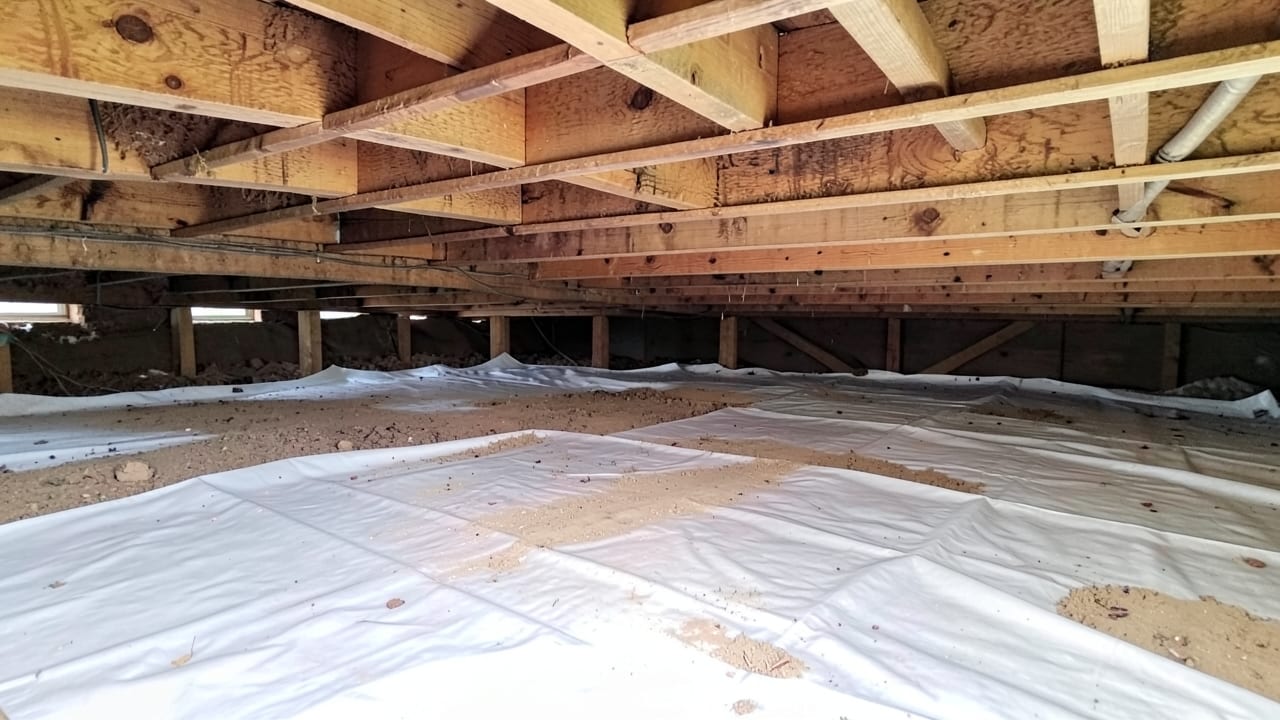
Crawl Space & Basement Mold Remediation in Belmont, CA
Crawl space and basement mold remediation in Belmont, CA addresses the two areas of a property most prone to trapped, unnoticed moisture.
Learn More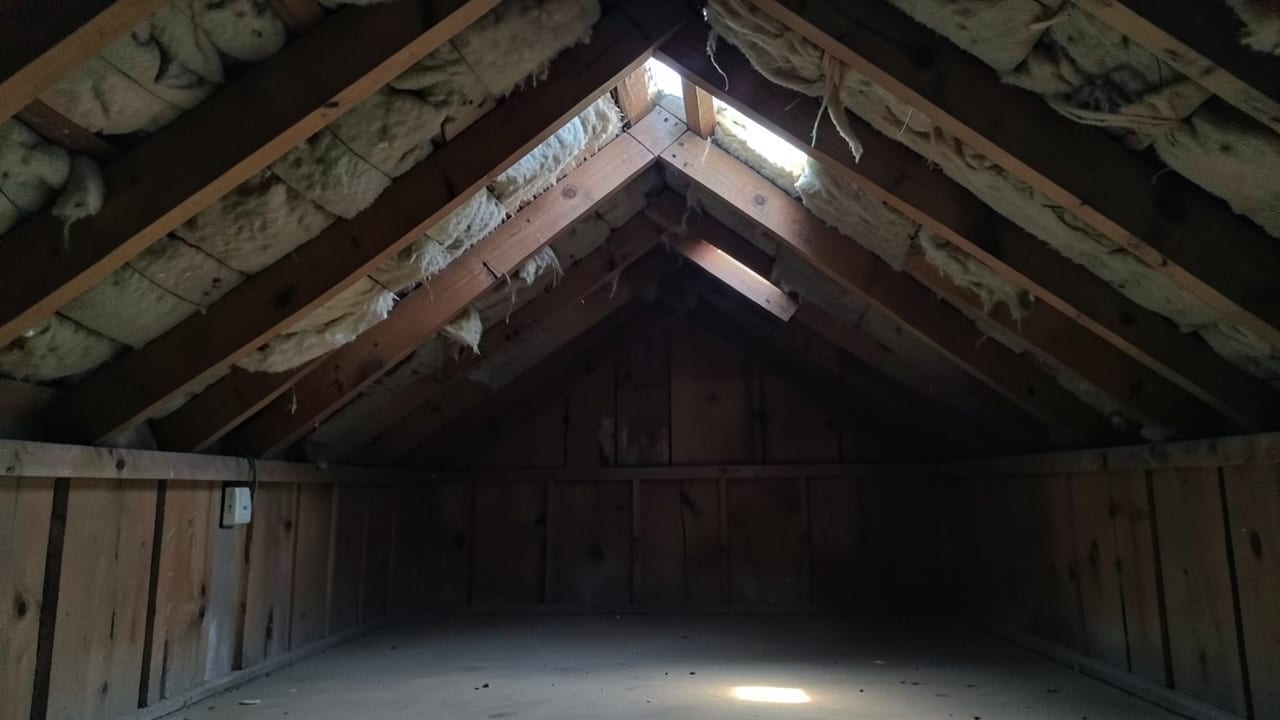
Attic Mold Remediation in Belmont, CA
Attic mold remediation in Belmont, CA addresses roof-deck growth typically caused by poor ventilation or a hidden roof leak.
Learn More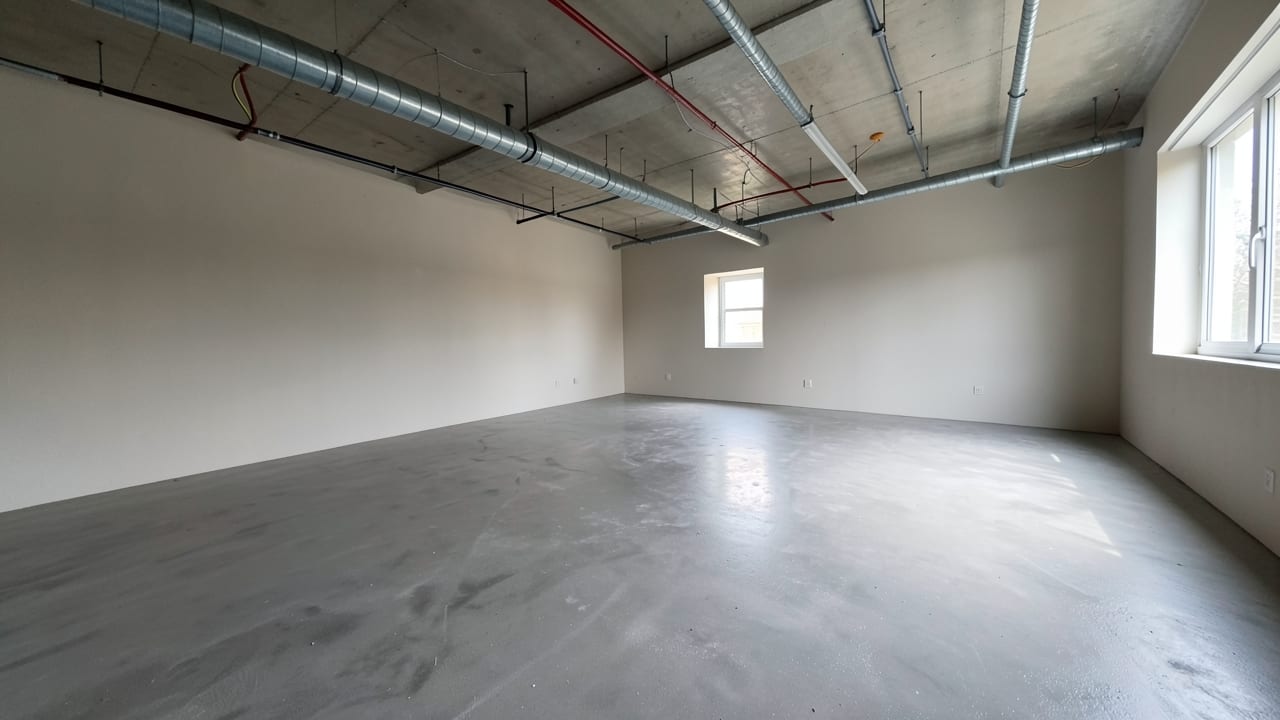
Commercial Mold Remediation in Belmont, CA
Commercial mold inspection and remediation in Belmont, CA for offices, retail space, and multi-unit properties, scheduled around business operations.
Learn More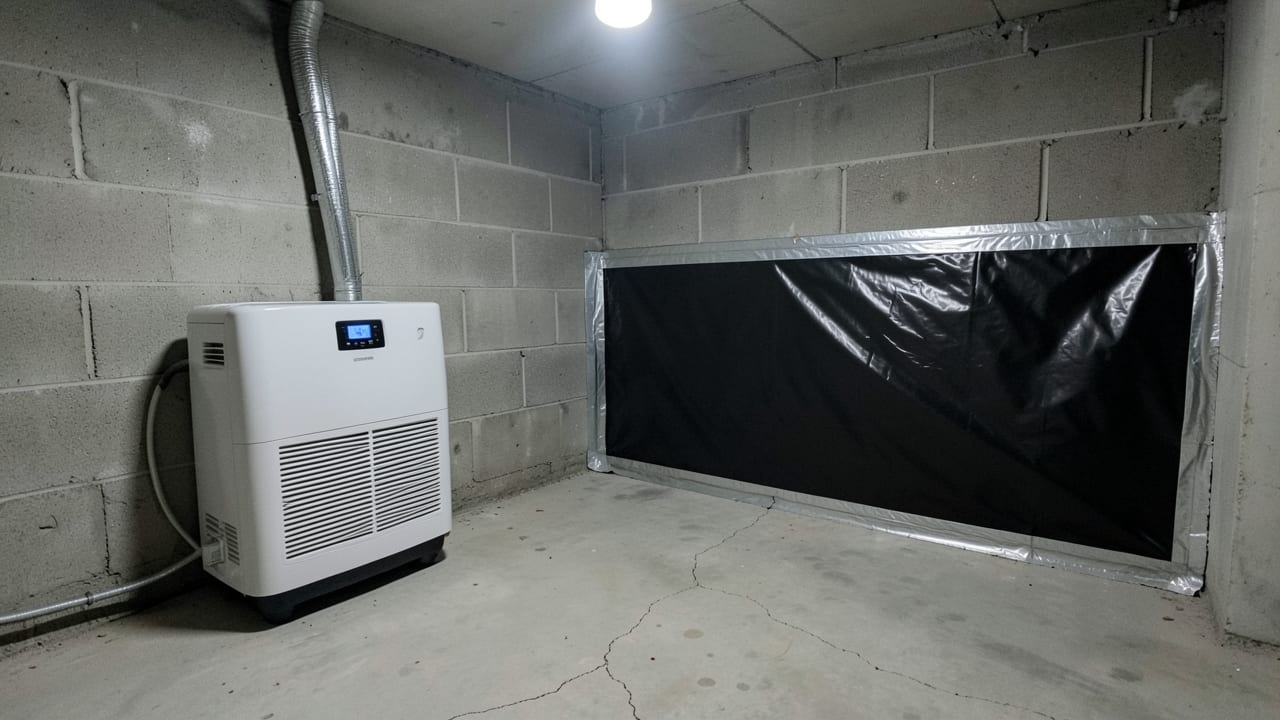
Mold Prevention & Moisture Control in Belmont, CA
Mold prevention and moisture control in Belmont, CA — addressing ventilation, humidity, and drainage before growth starts, not after.
Learn More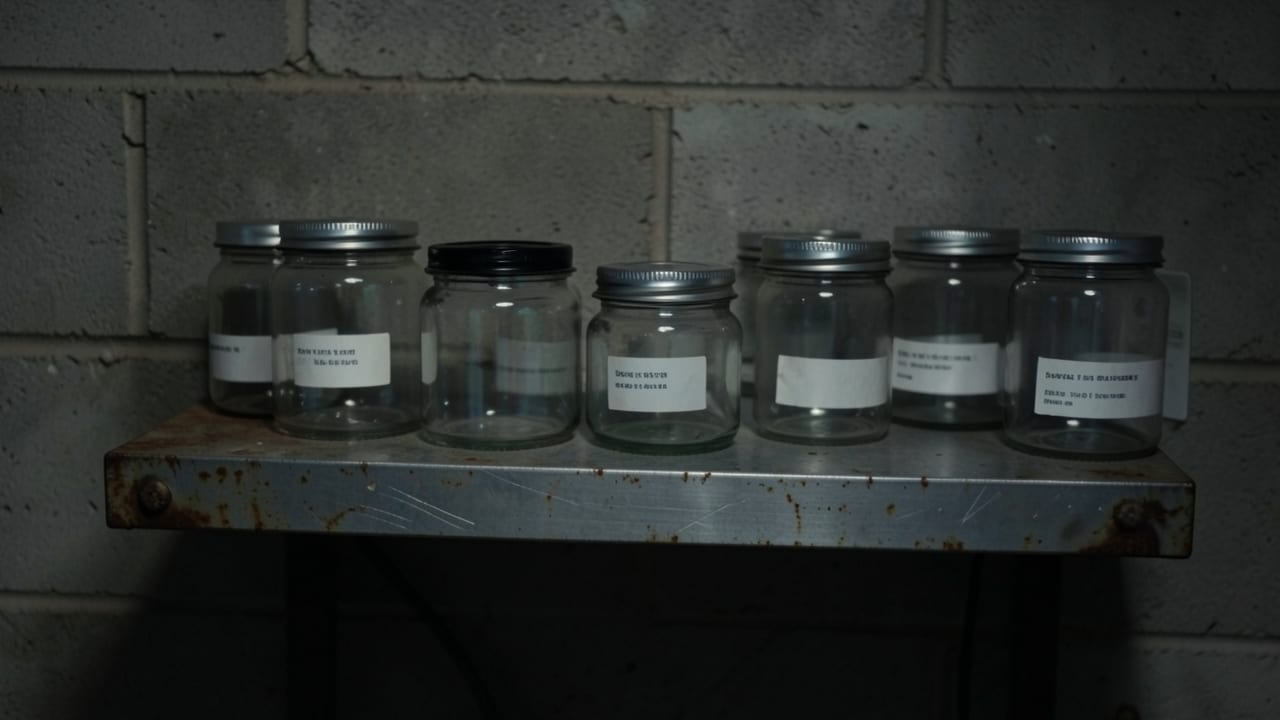
Mold & Asbestos Testing in Belmont, CA
Combined mold and asbestos testing in Belmont, CA — one inspection visit, lab-verified results for both.
Learn More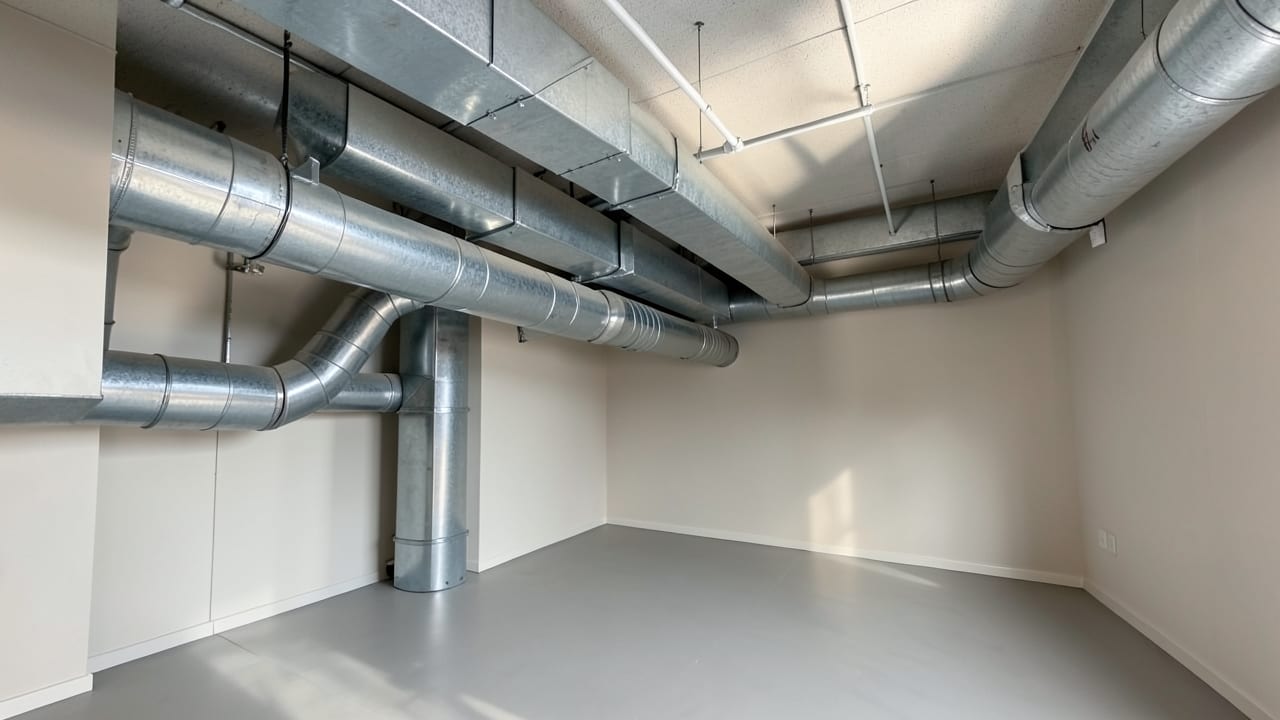
HVAC Mold Remediation in Belmont, CA
HVAC and ductwork mold remediation in Belmont, CA — mold growing inside the air handler or duct system, spreading through every vent.
Learn MoreCommon Questions About Mold Remediation in Belmont
Everything you need to know about mold remediation services in Belmont
How much does Garage Mold Removal typically cost in Belmont, CA?
Does coastal humidity around Belmont, CA change how mold risk is assessed?
Is a final clearance test part of a typical mold remediation job?
How does mold remediation actually prevent the problem from coming back?
Can mold growing inside HVAC ductwork spread to the rest of a home?
Does mold mean the same thing as mildew?
Need Mold Remediation in Belmont?
Connect with local providers in Belmont for a detailed quote.
⏰ We answer your call • Serving all of Belmont and surrounding areas