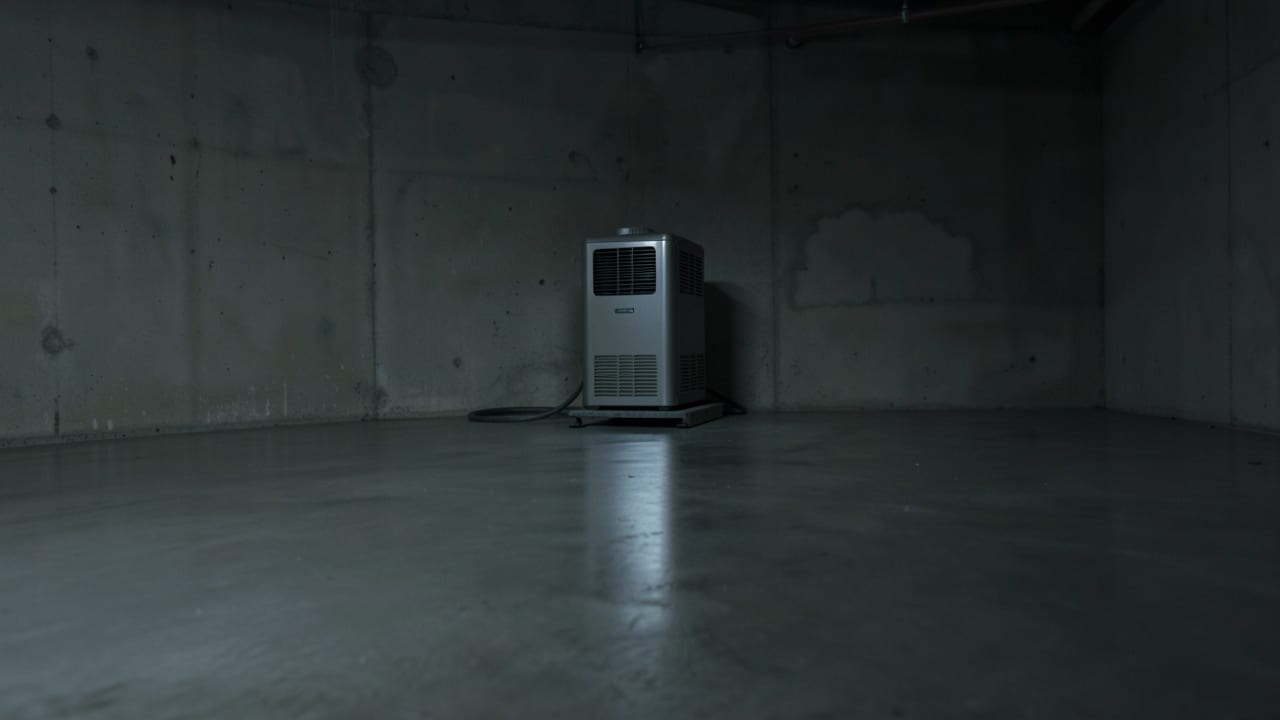
Concrete Mold Remediation
Professional removal and treatment of mold from concrete surfaces in homes.
Concrete mold remediation in Belmont, CA, addresses mold growth on concrete surfaces like basements, foundations, and patios by cleaning, disinfecting, and applying preventative treatments. Unlike porous materials, concrete requires specialized techniques to ensure spores are fully removed and regrowth is prevented, protecting your home’s structural integrity and indoor air quality.
When concrete mold needs professional attention
Mold on concrete surfaces often signals deeper moisture issues, and ignoring it can lead to structural damage or health concerns. In Belmont’s humid climate, concrete mold frequently appears in basements, crawl spaces, or outdoor patios.
We also handle Glass Window Mold Removal and Stairwell Mold Remediation for Belmont properties.
If the affected area exceeds 25 square feet, the mold keeps returning after cleaning, or you notice a musty smell without visible growth, it’s time for professional remediation.
Hidden mold—such as behind walls, under flooring, or inside ductwork—often spreads undetected. A strong musty odor that worsens when your HVAC runs is a red flag, as it suggests spores are circulating through your home.
Without proper containment and removal, these spores can contaminate unaffected areas, turning a small job into a larger, costlier problem.
Signs You Need Concrete Mold Remediation
- Mold covers more than a small, isolated patch (especially over 25 sq ft).
- The mold keeps returning after cleaning, even in the same spot.
- You smell a musty odor with no visible mold—especially when HVAC is running.
- The affected area is on concrete (basement, foundation, patio, or garage floor).
- You notice black or dark green patches that don’t scrub away easily.
What affects pricing and timeline?
The cost of concrete mold remediation depends on the size of the affected area, the severity of the mold, and whether hidden growth exists behind surfaces. Black mold remediation typically costs more due to stricter safety protocols.
In Belmont, pricing ranges widely based on these factors, so getting multiple quotes with clear scopes is essential.
Timelines vary based on containment setup, drying requirements, and clearance testing. Jobs with extensive hidden mold or structural drying needs may take longer. Always confirm whether the quote includes inspection, testing, and post-remediation verification—these steps are critical but are sometimes priced separately.
Avoiding costly mistakes
Skipping containment or using non-HEPA equipment during removal can spread spores throughout your home, creating a larger problem. Without proper containment, spores disturbed during cleanup can migrate into HVAC systems or other rooms, making the issue worse. Always verify that the contractor uses plastic sheeting, negative-air machines, and HEPA filtration.
Fixing the moisture source—whether a leak, poor grading, or condensation—is just as critical as removing the mold. If the underlying cause isn’t addressed, mold will regrow within months. Post-remediation clearance testing by an independent lab confirms the job is truly complete.
Beware of estimates that exclude inspection, containment, or clearance testing. A bid without a written scope of work or one that pressures you to sign during the inspection visit may leave you vulnerable to hidden costs or incomplete remediation.
How concrete mold remediation works
This process ensures mold is safely removed from concrete surfaces while preventing regrowth.
- 1Containment Setup
Plastic sheeting and negative-air machines seal off the work area to prevent spores from spreading to other parts of your home during removal.
- 2Removal and Cleaning
Non-porous concrete surfaces are scrubbed with antimicrobial solutions, while porous materials (like drywall or carpet) that can’t be cleaned are removed and disposed of properly.
- 3HEPA Filtration and Drying
HEPA air scrubbers run continuously, and surfaces are vacuumed with HEPA equipment to capture spores. Industrial dehumidifiers dry the area to prevent future growth.
- 4Clearance Testing
An independent lab tests air and surfaces post-remediation to confirm spore levels are back to normal before containment is removed.
- 5Moisture Source Fix
The contractor identifies and repairs the leak, grading, or ventilation issue that caused the mold to grow in the first place.
Frequently asked questions
Can I clean small patches of concrete mold myself?
For areas under 25 square feet, scrubbing with a stiff brush, detergent, and water may help, but concrete mold often indicates deeper moisture issues. If the mold returns or spreads, professional remediation is necessary to address hidden growth and fix the root cause.
How long does the remediation process take?
Timelines vary based on containment setup, drying requirements, and clearance testing. A typical job may take 1–3 days, but larger or complex cases (like hidden mold behind walls) can extend this period. Always confirm the timeline in your quote.
Will my home’s insurance cover concrete mold remediation?
Most homeowners’ insurance policies exclude mold damage unless it stems from a covered peril like a burst pipe. Check your policy for exclusions and consider adding mold coverage if you’re in a high-risk area like Belmont. Document the moisture source and remediation steps for potential claims.
Do I need to leave my home during the remediation?
While you don’t always have to vacate, it’s safest to stay elsewhere during containment and removal, especially if the mold is extensive or involves black mold. The contractor will advise you based on the scope of work and your family’s health needs.
Where Belmont sits, and what the Census lists nearby
Belmont sits in California, and the closest places listed in the U.S. Census Gazetteer are San Carlos (1.8 miles southeast), Baywood Park (2.8 miles west), Highlands (2.8 miles west), San Mateo (3.3 miles north). Within 25 miles of Belmont the same source lists 65 distinct incorporated places and census-designated places.
Those figures matter for concrete mold remediation because they are straight-line distances between Census coordinate points: road mileage between Belmont and San Carlos runs longer than the 1.8 miles shown, which is why quotes for the same job differ between towns that look close together on a map.
Source: U.S. Census Bureau Gazetteer.
See El Granada, CA for more, or discover the mold remediation work we do around Belmont side by side for our complete lineup.
Ready to get started?
Talk to a local mold remediation pro in Belmont — get a written quote.
Other Mold Remediation Services in Belmont
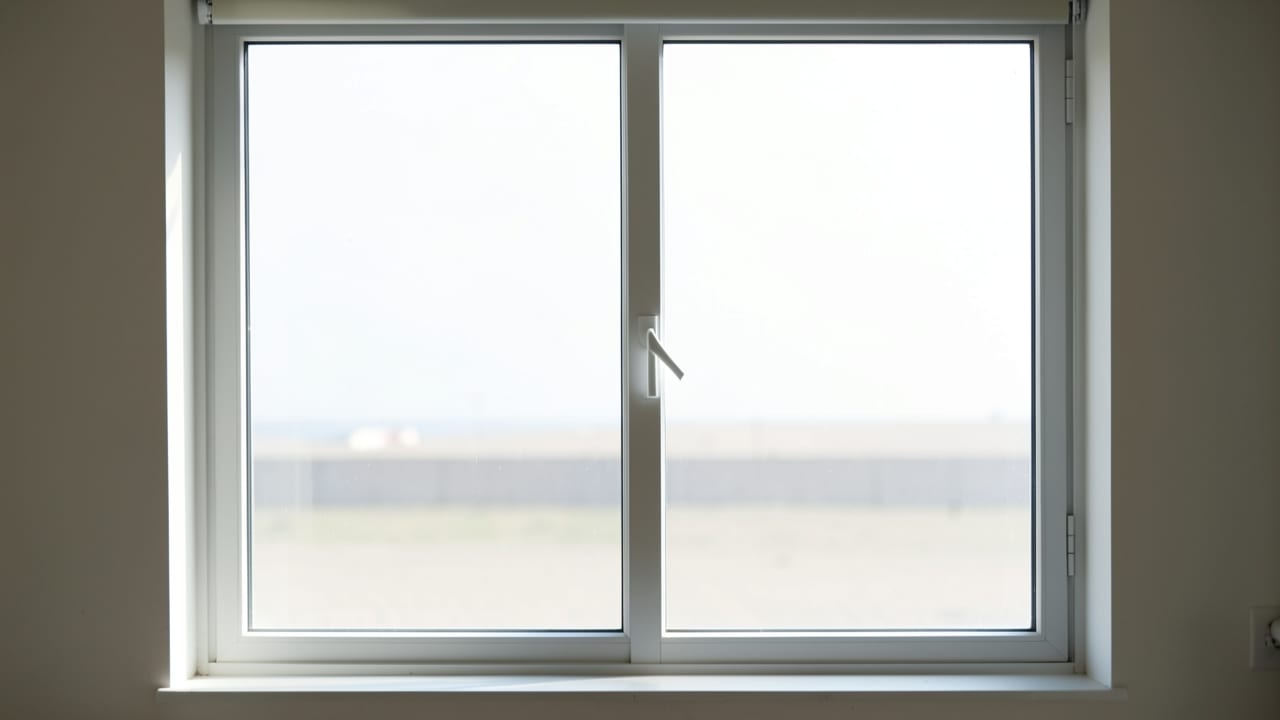
Glass Window Mold Removal in Belmont, CA
Professional removal of mold from glass windows and frames to restore clarity and prevent spread.
Learn More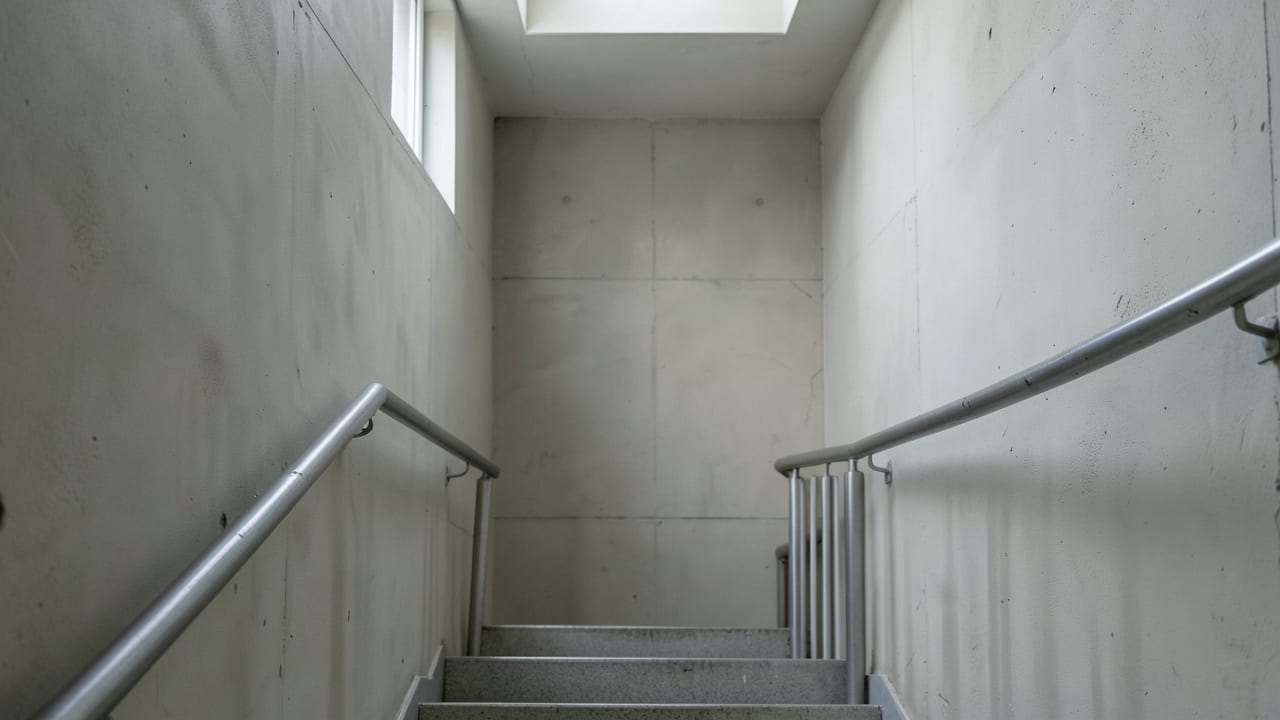
Stairwell Mold Remediation in Belmont, CA
Professional mold removal and prevention in stairwells to restore safe, clean spaces.
Learn More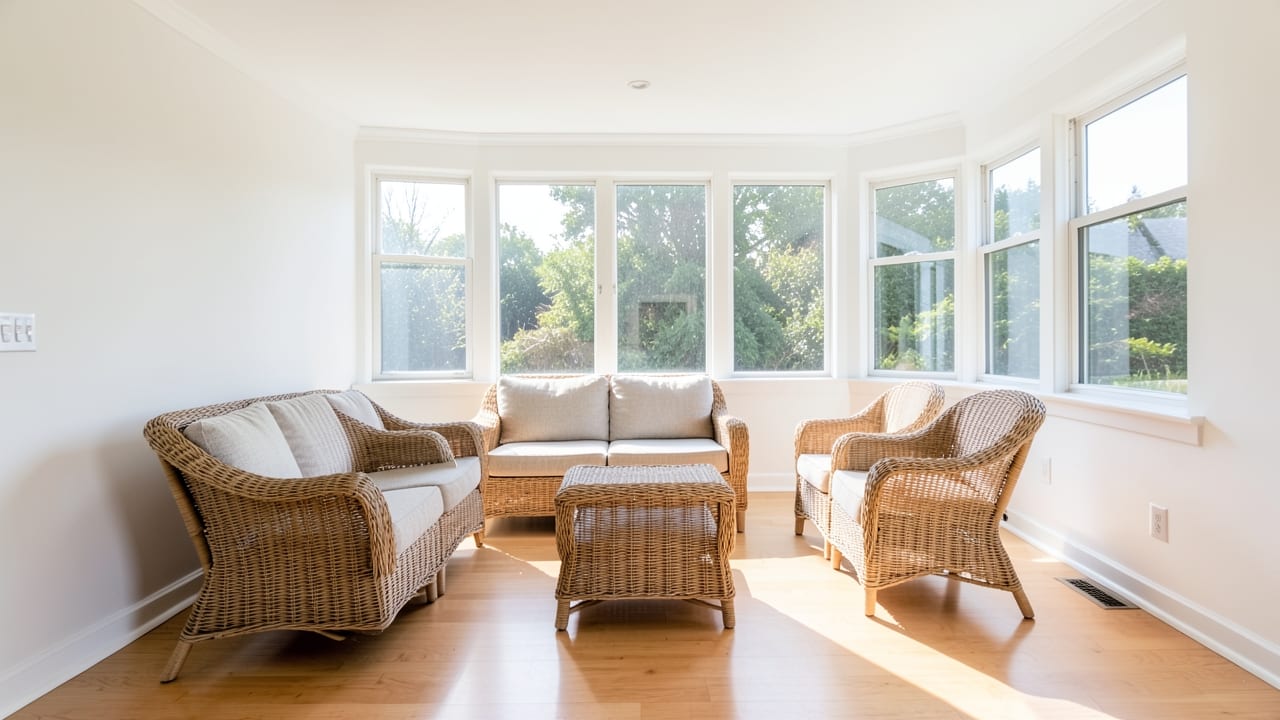
Sunroom Mold Remediation in Belmont, CA
Professional removal and treatment of mold in sunrooms to restore a safe, clean space.
Learn More
Closet Mold Cleanup in Belmont, CA
Professional cleanup and removal of mold from closets to restore safe, healthy spaces.
Learn More
Pantry Mold Treatment in Belmont, CA
Professional assessment and removal of mold in pantry areas to restore a safe, clean space.
Learn More
Hallway Mold Remediation in Belmont, CA
Professional removal and treatment of mold growth in residential hallways.
Learn MoreCommon Questions About Mold Remediation in Belmont
Everything you need to know about mold remediation services in Belmont
How much does Concrete Mold Remediation typically cost in Belmont, CA?
Does coastal humidity around Belmont, CA change how mold risk is assessed?
How does mold remediation actually prevent the problem from coming back?
Can mold growing inside HVAC ductwork spread to the rest of a home?
Does mold mean the same thing as mildew?
Does homeowners insurance typically cover mold remediation?
Need Mold Remediation in Belmont?
Connect with local providers in Belmont for a detailed quote.
⏰ We answer your call • Serving all of Belmont and surrounding areas