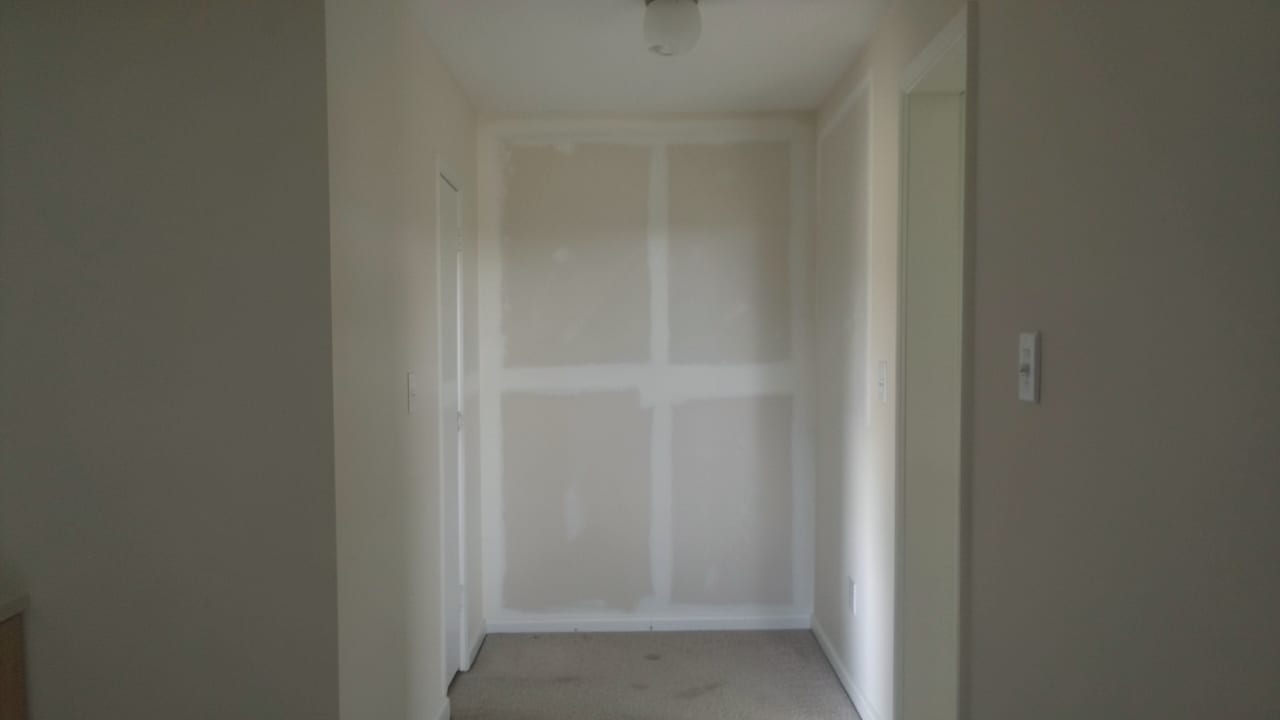
Drywall Mold Remediation
Professional removal and treatment of mold growth behind or on drywall surfaces.
Drywall mold remediation in Belmont, CA, involves safely removing contaminated drywall and restoring affected areas to prevent mold regrowth. This process is critical when mold covers more than small patches, keeps returning, or is hidden behind walls—signs that indicate professional intervention is needed instead of DIY cleaning.
Proper containment, HEPA filtration, and moisture control ensure spores don’t spread during removal, and clearance testing confirms the work is complete before the area is sealed back up.
We also handle Garage Mold Removal and Plaster Mold Remediation for Belmont properties.
When to call for drywall mold remediation
Mold on drywall often starts as a small, isolated patch that can be wiped down with vinegar or bleach. However, certain signs indicate the problem has escalated beyond what a homeowner can safely handle alone.
If the mold covers more than 25 contiguous square feet—California’s threshold for requiring a licensed contractor—it’s time to call for professional remediation. This rule applies even if the mold appears surface-level, as hidden moisture can cause deeper contamination.
Recurring mold in the same spot after cleaning is another red flag, as it almost always means the moisture source (like a leak, condensation, or poor ventilation) hasn’t been addressed.
A musty smell with no visible mold, especially one that worsens when the HVAC runs, suggests hidden growth in walls, under flooring, or inside ductwork. In these cases, containment and professional removal are essential to prevent spores from spreading during the process.
Signs You Need Professional Drywall Mold Remediation
- Mold covers more than 25 contiguous square feet (California’s licensed-contractor threshold).
- The mold keeps returning in the same spot after cleaning (indicates an unresolved moisture issue).
- You smell a musty odor with no visible mold, especially when the HVAC is on.
- The affected area is behind walls, under flooring, or in ductwork (visible only after demolition).
- You notice health symptoms like sneezing, coughing, or skin irritation near the moldy area.
What affects pricing and timeline?
The cost of drywall mold remediation in Belmont varies based on the size of the affected area, the type of mold, and whether hidden contamination is discovered during the process.
Surface-level mold on drywall or tile typically costs between $600 and $2,400 per room, but black mold (Stachybotrys chartarum) can add 15–25% to that range for the same square footage.
Pricing also depends on whether containment, HEPA air scrubbing, and clearance testing are included—these steps are critical but are sometimes quoted separately.
Timelines depend on the extent of the contamination and whether structural drying is required. A single room with surface mold may take 1–2 days to remediate, while hidden mold behind walls or under flooring can extend the job to 3–5 days.
Industrial dehumidifiers and air movers are often needed to dry framing and subfloors before sealing the area, adding time but preventing regrowth.
What to watch for in a quote
Not all drywall mold remediation quotes cover the same steps, so comparing bids requires careful attention to what’s included—and what isn’t. Containment (plastic sheeting and negative-air machines) and clearance testing (independent lab verification) are often priced separately, which can lead to hidden costs if excluded.
A low-ball estimate might skip these critical steps, only to require a second round of work later when spores spread or regrowth occurs.
Ask whether the quote specifies the square footage being treated, separates remediation from moisture-source fixes, and includes a written scope of work. A vague estimate or pressure to sign during the inspection visit are red flags.
Legitimate remediation should also confirm the contractor’s California State License Board (CSLB) license for jobs over $500, as mold work falls under general contracting rules in the state.
Avoid quotes that exclude containment, clearance testing, or a written scope of work. Pressure to sign during the inspection or a bid dramatically lower than others for the same square footage may indicate corners being cut—leading to incomplete remediation and recurring mold.
How drywall mold remediation works
Professional remediation follows strict containment and safety protocols to prevent spores from spreading during removal.
- 1Containment Setup
The affected area is sealed off with plastic sheeting and negative-air machines to create a contained workspace. This ensures spores stirred up during removal stay inside the zone rather than drifting through hallways or HVAC ducts into unaffected rooms.
- 2Material Removal
Porous materials like drywall, insulation, and carpet padding—which absorb mold deeply—are cut out and double-bagged inside containment. Non-porous surfaces (framing, tile) are scrubbed with antimicrobial treatments instead of discarded.
- 3HEPA Filtration and Cleanup
HEPA air scrubbers run continuously during the job, and surfaces are vacuumed with HEPA-filtered equipment to capture spores. Standard shop vacuums or non-HEPA filters recirculate spores back into the air, worsening contamination.
- 4Structural Drying
Industrial dehumidifiers and air movers dry framing and subfloors to normal moisture levels before the area is sealed. Mold regrows on damp materials even after visible traces are removed, so drying is critical to prevent recurrence.
- 5Clearance Testing
An independent lab conducts air or surface sampling to confirm spore counts are back to normal levels. Only after clearance testing passes is containment removed, and the area considered finished.
Frequently asked questions
Can I clean mold off drywall myself, or do I need professional remediation?
Small, isolated patches (under 10 square feet) can often be cleaned with vinegar, bleach, or a commercial mold-killing solution. However, if the mold covers more than 25 square feet, keeps returning, or is hidden (like behind walls or in ductwork), professional remediation is necessary to prevent spore spread and ensure the moisture source is fixed.
How long does it take to remediate moldy drywall in a single room?
Surface-level mold in one room typically takes 1–2 days for removal, drying, and clearance testing. If hidden contamination is found (e.g., behind walls or under flooring), the job may extend to 3–5 days due to additional demolition and structural drying requirements.
Will my insurance cover drywall mold remediation?
Most homeowners’ insurance policies cover mold remediation only if the contamination resulted from a covered peril, such as a burst pipe or storm damage. Pre-existing mold or moisture issues (like poor ventilation) are usually excluded. Check your policy or consult your insurer before proceeding, as they may require a licensed contractor’s estimate to approve the claim.
What should I do if I smell mold but can’t see it?
A musty odor with no visible mold often indicates hidden growth in walls, under flooring, or inside ductwork. Turn off the HVAC to prevent spores from spreading, then call a professional for an inspection. They can use moisture meters or thermal imaging to locate the source and recommend whether containment and removal are needed.
Where Belmont sits, and what the Census lists nearby
Belmont sits in California, and the closest places listed in the U.S. Census Gazetteer are San Carlos (1.8 miles southeast), Baywood Park (2.8 miles west), Highlands (2.8 miles west), San Mateo (3.3 miles north). Within 25 miles of Belmont the same source lists 65 distinct incorporated places and census-designated places.
Those figures matter for drywall mold remediation because they are straight-line distances between Census coordinate points: road mileage between Belmont and San Carlos runs longer than the 1.8 miles shown, which is why quotes for the same job differ between towns that look close together on a map.
Source: U.S. Census Bureau Gazetteer.
See Montara, CA for more, or explore everything Belmont homeowners can book with us at a glance for our complete lineup.
Ready to get started?
Talk to a local mold remediation pro in Belmont — get a written quote.
Other Mold Remediation Services in Belmont
Garage Mold Removal in Belmont, CA
Professional assessment and removal of mold growth in garages to restore a safe, clean space.
Learn More
Plaster Mold Remediation in Belmont, CA
Professional removal and treatment of mold from plaster surfaces in homes.
Learn More
Window Sill Mold Cleanup in Belmont, CA
Professional cleanup of mold growth on window sills to restore a healthy indoor environment.
Learn More
Sewer Backup Mold Cleanup in Belmont, CA
Professional cleanup of mold caused by sewer backups in homes.
Learn More
Roof Leak Mold Remediation in Belmont, CA
Professional removal of mold caused by roof leaks to restore a safe, healthy home environment.
Learn More
Rental Property Mold Cleanup in Belmont, CA
Professional mold removal and remediation for rental properties to restore safe living conditions.
Learn MoreCommon Questions About Mold Remediation in Belmont
Everything you need to know about mold remediation services in Belmont
How much does Drywall Mold Remediation typically cost in Belmont, CA?
Does coastal humidity around Belmont, CA change how mold risk is assessed?
Is it safe to stay in the home during mold remediation?
Can small mold problems be handled without hiring anyone?
What's the actual difference between mold removal and mold remediation?
Is a final clearance test part of a typical mold remediation job?
Need Mold Remediation in Belmont?
Connect with local providers in Belmont for a detailed quote.
⏰ We answer your call • Serving all of Belmont and surrounding areas