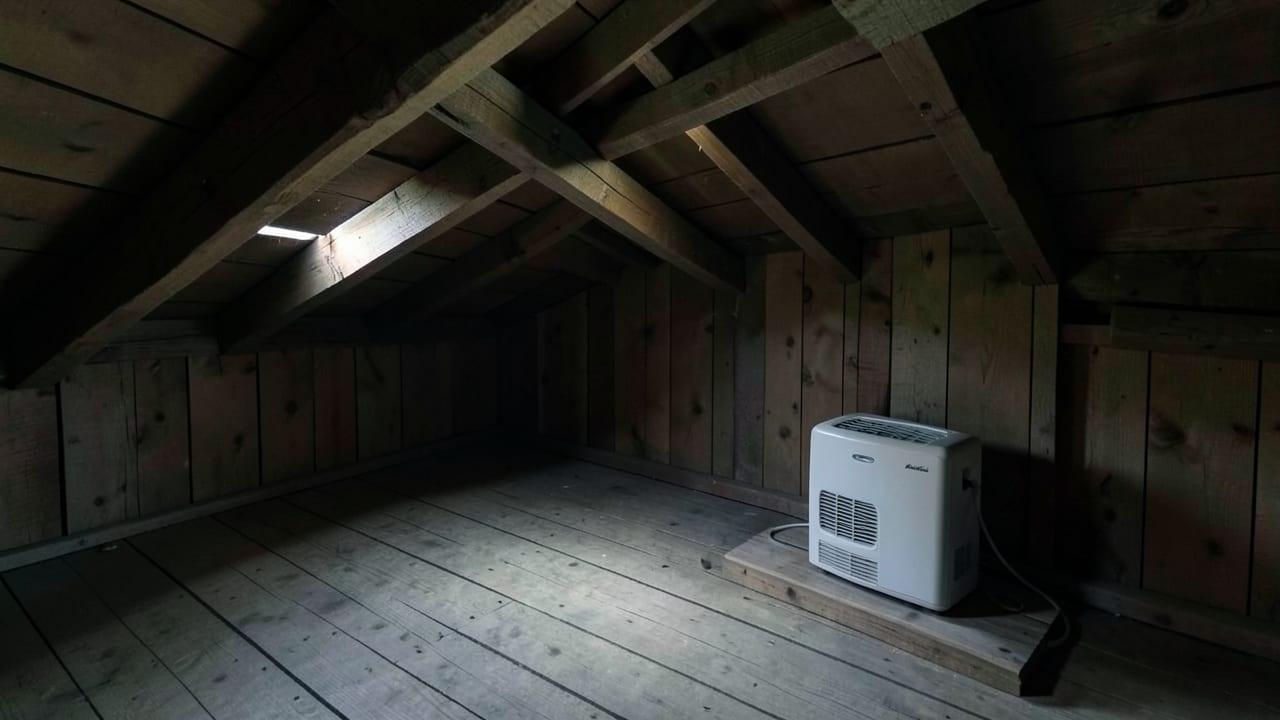
Salt Air Mold Remediation
Professional mold assessment, containment, removal, and prevention in affected areas of the home.
In Belmont’s coastal climate, moisture intrusion and humidity create ideal conditions for mold growth, often hidden behind walls or under flooring. Salt Air Mold Remediation specializes in identifying, containing, and removing fungal contamination safely, using industry-standard protocols to minimize spore spread and prevent recurrence.
This process addresses both visible and hidden mold while targeting the moisture source to help reduce the risk of regrowth.
We also handle Attic Mold Remediation and Commercial Mold Remediation for Belmont properties.
When mold remediation is needed
Mold growth beyond a small, isolated patch—typically over 25 square feet—often signals a job that requires professional intervention. In Belmont’s damp climate, hidden moisture sources like leaks, condensation, or poor drainage can fuel persistent mold, even after cleaning.
Recurring mold in the same spot or a musty odor with no visible growth are key indicators that moisture issues may be driving the problem.
Poor airflow in enclosed spaces, such as windowless bathrooms or basements, can also trap moisture, creating ideal conditions for mold. If you notice mold reappearing shortly after cleaning, the underlying moisture source likely wasn’t addressed.
Professional remediation focuses on removing contaminated materials, drying structural components, and fixing the root cause to help prevent future growth.
Signs Professional Mold Remediation Is Needed
- Mold covers more than 25 contiguous square feet (a common threshold for professional work).
- Growth keeps returning in the same spot after cleaning, suggesting an untreated moisture source.
- A musty smell persists with no visible mold, often indicating hidden growth behind walls or under flooring.
- Mold appears in multiple rooms, especially when HVAC systems are running, which may signal ductwork contamination.
- Visible black mold (Stachybotrys chartarum), which typically requires additional precautions and may increase costs.
Understanding the process and costs
Salt air mold remediation follows a structured approach to safely remove contamination and reduce the risk of recurrence. Containment, HEPA filtration, and clearance testing are critical steps to ensure spores don’t spread during the job.
Pricing varies based on the size of the affected area, mold type, and whether hidden contamination is discovered during removal.
In Belmont, coastal humidity and older homes with potential moisture issues can drive up costs, especially if structural drying or additional materials need removal. Always confirm whether a quote includes inspection, containment, clearance testing, and moisture source repairs—these steps are essential for long-term results.
Avoiding common mistakes
Skipping containment or using non-HEPA equipment during removal can spread spores to unaffected areas, turning a small job into a larger one. Similarly, treating only the visible mold without fixing leaks, grading issues, or poor ventilation often leads to regrowth within months.
Always verify that a contractor uses proper containment, HEPA filtration, and clearance testing to confirm the work is complete.
Beware of quotes that exclude critical steps like containment or post-remediation testing. A low upfront price may hide unexpected costs if hidden mold or moisture issues are uncovered during the job. Requesting a written scope of work and comparing multiple bids helps ensure transparency and accountability.
Avoid bids that lack a written scope of work, request full payment upfront, or don’t mention clearance testing. Pressure to sign during the inspection visit or vague area estimates (e.g., 'whole basement' instead of square footage) are also warning signs of potential issues.
How salt air mold remediation works
This process follows strict industry protocols to safely remove mold and prevent spore spread.
- 1Containment Setup
Plastic sheeting and negative-air machines seal the affected area to prevent spores from spreading during removal. This step is critical for keeping contamination localized.
- 2Material Removal and Treatment
Porous materials like drywall or carpet padding, which absorb mold, are cut out and bagged inside containment. Non-porous surfaces, such as tile or framing, are scrubbed and treated to remove mold growth.
- 3HEPA Filtration and Drying
HEPA air scrubbers run continuously to capture airborne spores, and surfaces are vacuumed with HEPA-filtered equipment. Industrial dehumidifiers and air movers dry structural components to prevent future mold growth.
- 4Clearance Testing
An independent lab tests air or surface samples to confirm spore levels are back to normal before containment is removed. This step verifies the remediation was effective.
- 5Moisture Source Repair
Fixing leaks, improving ventilation, or adjusting grading helps address the root cause of mold growth, reducing the risk of recurrence.
Frequently asked questions
How do I know if my mold problem is severe enough to need professional remediation?
If mold covers more than 25 square feet, keeps returning after cleaning, or you notice a musty smell with no visible growth, these are signs professional intervention is needed. Hidden moisture sources often drive persistent mold, and containment protocols are essential to prevent spore spread during removal.
Will my home insurance cover mold remediation?
Coverage varies by policy. Some insurers may cover remediation if mold stems from a sudden event like a burst pipe, while others exclude it entirely. Review your policy or consult your agent to understand what’s included, as preventive measures (like fixing leaks) may not be covered.
How long does the remediation process typically take?
The timeline depends on the size of the affected area, moisture levels, and whether hidden contamination is discovered. Containment, drying, and clearance testing can extend the process, often taking several days to complete. A written scope helps set realistic expectations.
Can I stay in my home during mold remediation?
It’s generally safe to remain in the home if unaffected areas are sealed off during containment. However, high levels of spores or large-scale removal may require temporary relocation. Discuss occupancy plans with your contractor to ensure safety.
Where Belmont sits, and what the Census lists nearby
Belmont sits in California, and the closest places listed in the U.S. Census Gazetteer are San Carlos (1.8 miles southeast), Baywood Park (2.8 miles west), Highlands (2.8 miles west), San Mateo (3.3 miles north). Within 25 miles of Belmont the same source lists 65 distinct incorporated places and census-designated places.
Those figures matter for salt air mold remediation because they are straight-line distances between Census coordinate points: road mileage between Belmont and San Carlos runs longer than the 1.8 miles shown, which is why quotes for the same job differ between towns that look close together on a map.
Source: U.S. Census Bureau Gazetteer.
See Montara, CA for more, or take a look at everything Belmont homeowners can book with us for our complete lineup.
Ready to get started?
Talk to a local mold remediation pro in Belmont — get a written quote.
Other Mold Remediation Services in Belmont
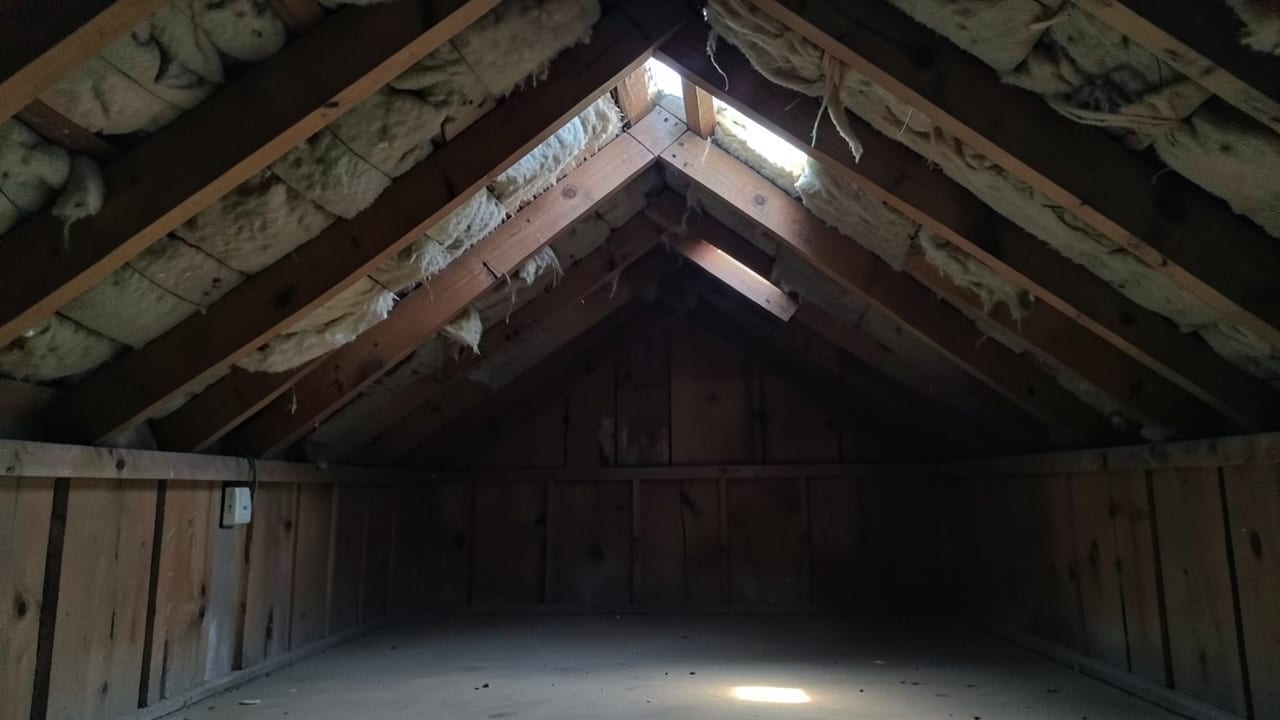
Attic Mold Remediation in Belmont, CA
Attic mold remediation in Belmont, CA addresses roof-deck growth typically caused by poor ventilation or a hidden roof leak.
Learn More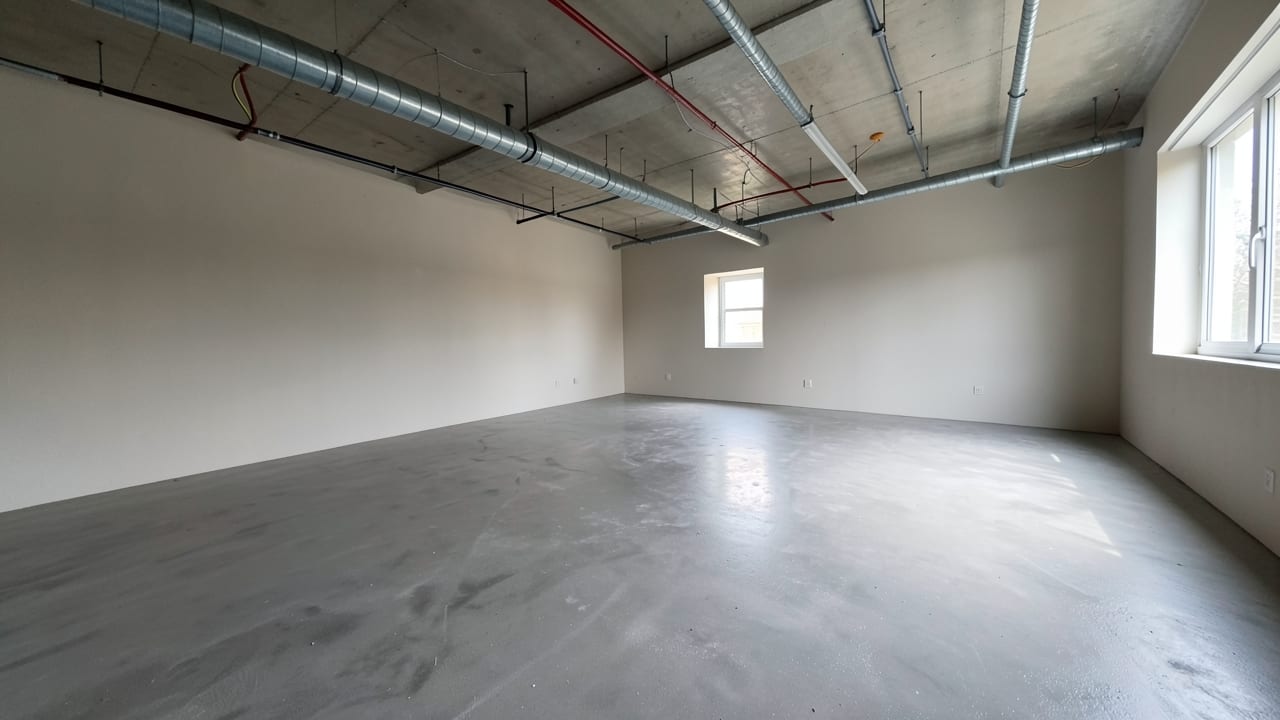
Commercial Mold Remediation in Belmont, CA
Commercial mold inspection and remediation in Belmont, CA for offices, retail space, and multi-unit properties, scheduled around business operations.
Learn More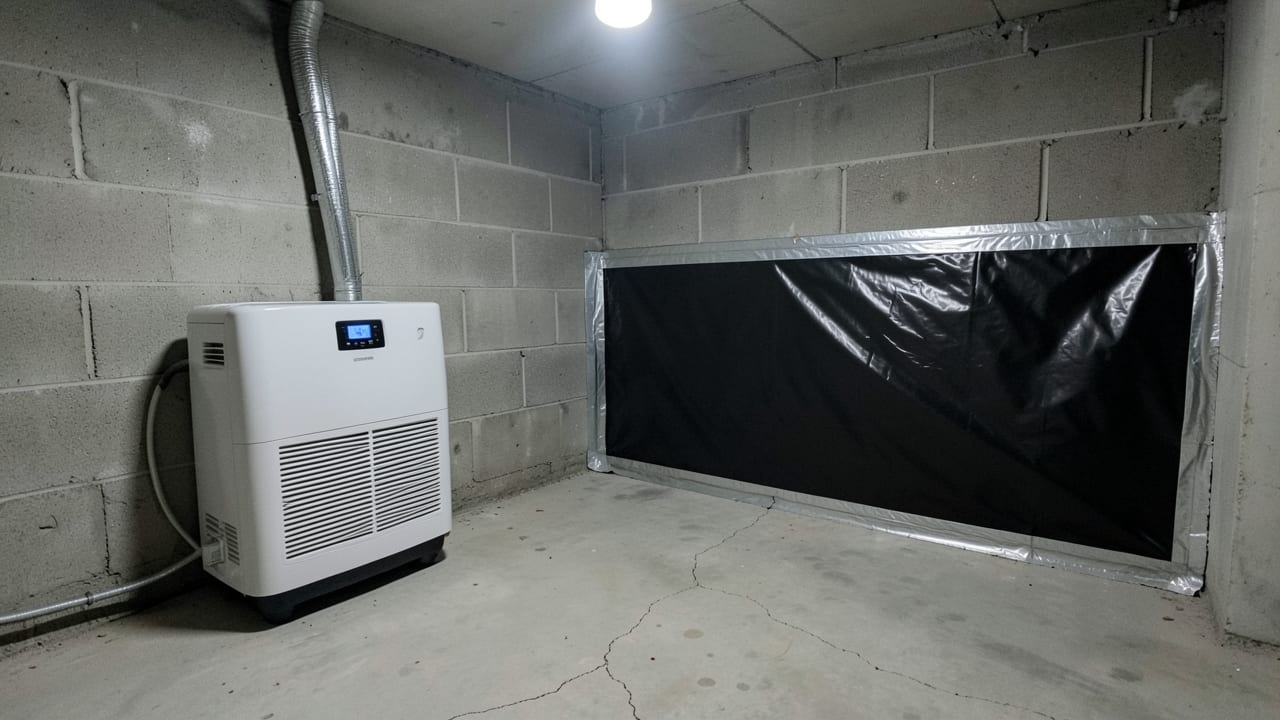
Mold Prevention & Moisture Control in Belmont, CA
Mold prevention and moisture control in Belmont, CA — addressing ventilation, humidity, and drainage before growth starts, not after.
Learn More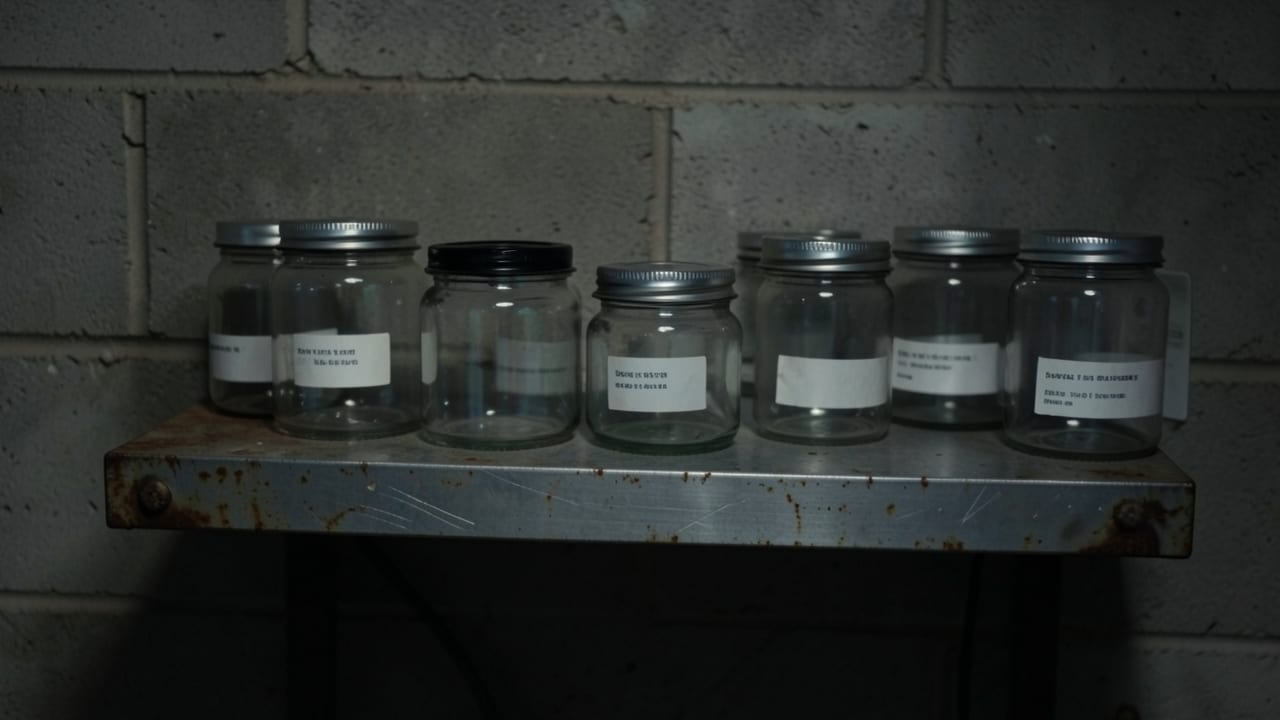
Mold & Asbestos Testing in Belmont, CA
Combined mold and asbestos testing in Belmont, CA — one inspection visit, lab-verified results for both.
Learn More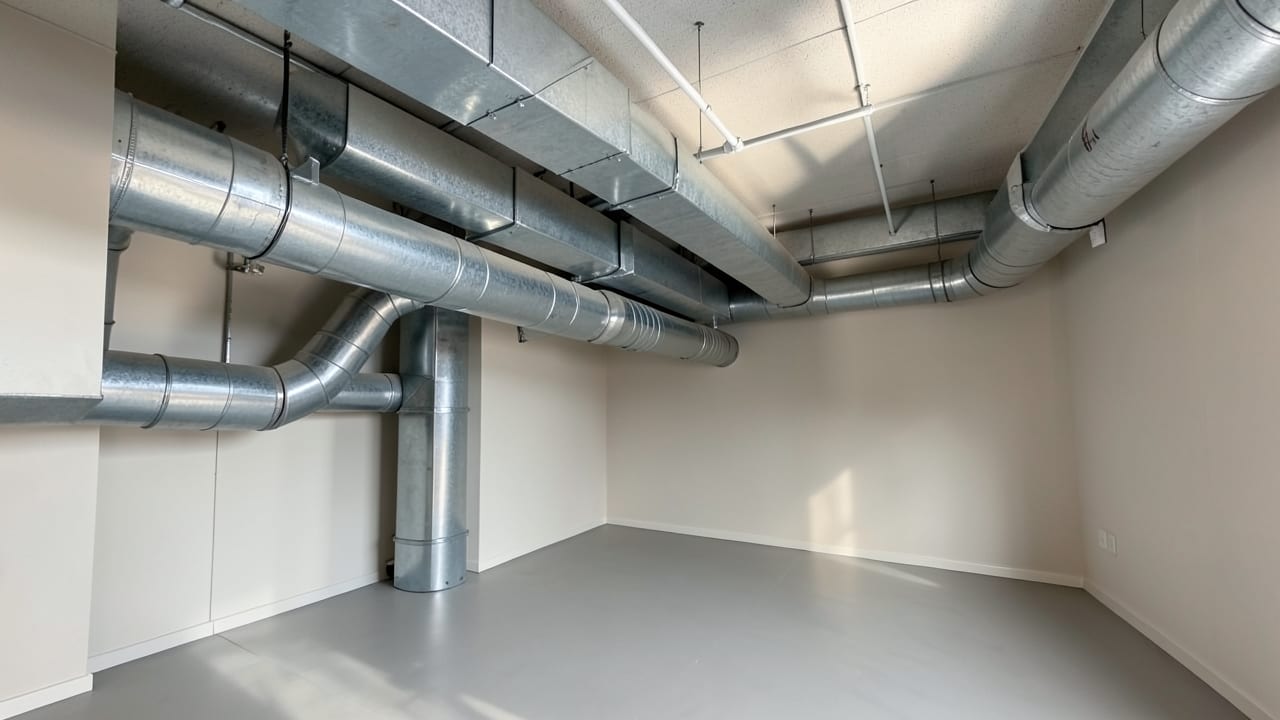
HVAC Mold Remediation in Belmont, CA
HVAC and ductwork mold remediation in Belmont, CA — mold growing inside the air handler or duct system, spreading through every vent.
Learn More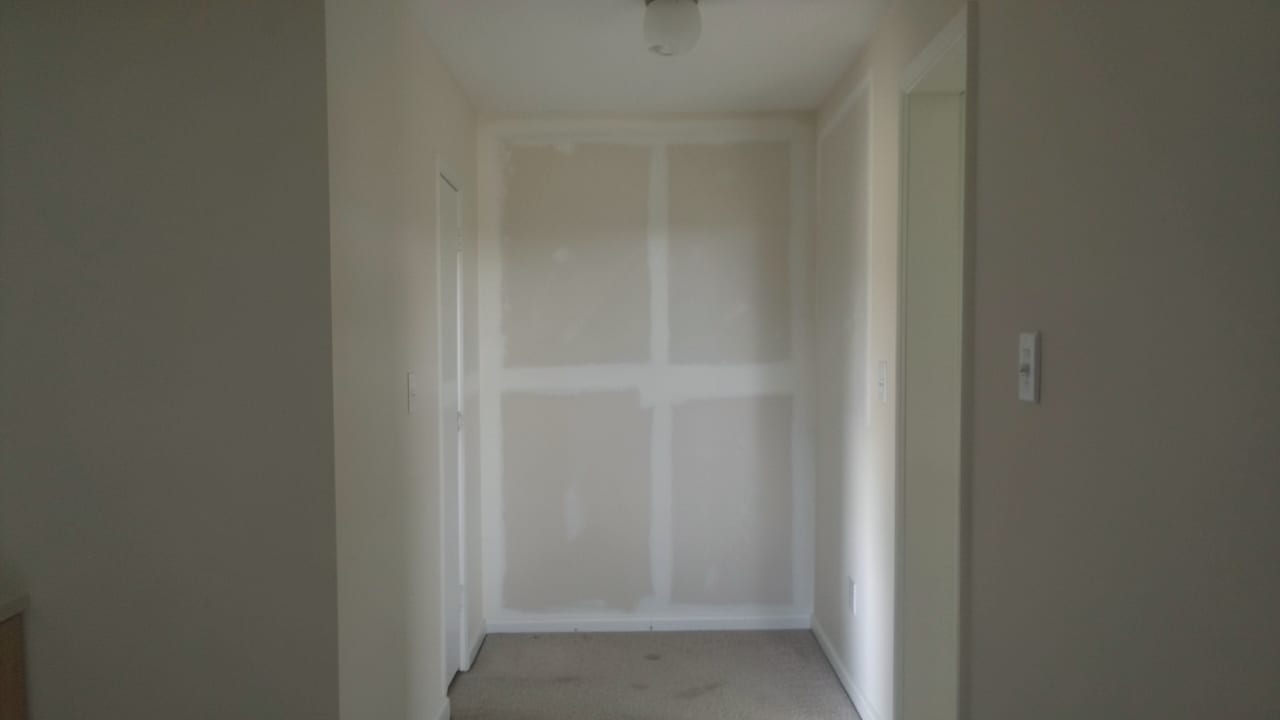
Drywall Mold Remediation in Belmont, CA
Professional removal and treatment of mold growth behind or on drywall surfaces.
Learn MoreCommon Questions About Mold Remediation in Belmont
Everything you need to know about mold remediation services in Belmont
How much does Salt Air Mold Remediation typically cost in Belmont, CA?
Does coastal humidity around Belmont, CA change how mold risk is assessed?
What's the actual difference between mold removal and mold remediation?
Is a final clearance test part of a typical mold remediation job?
How does mold remediation actually prevent the problem from coming back?
Can mold growing inside HVAC ductwork spread to the rest of a home?
Need Mold Remediation in Belmont?
Connect with local providers in Belmont for a detailed quote.
⏰ We answer your call • Serving all of Belmont and surrounding areas