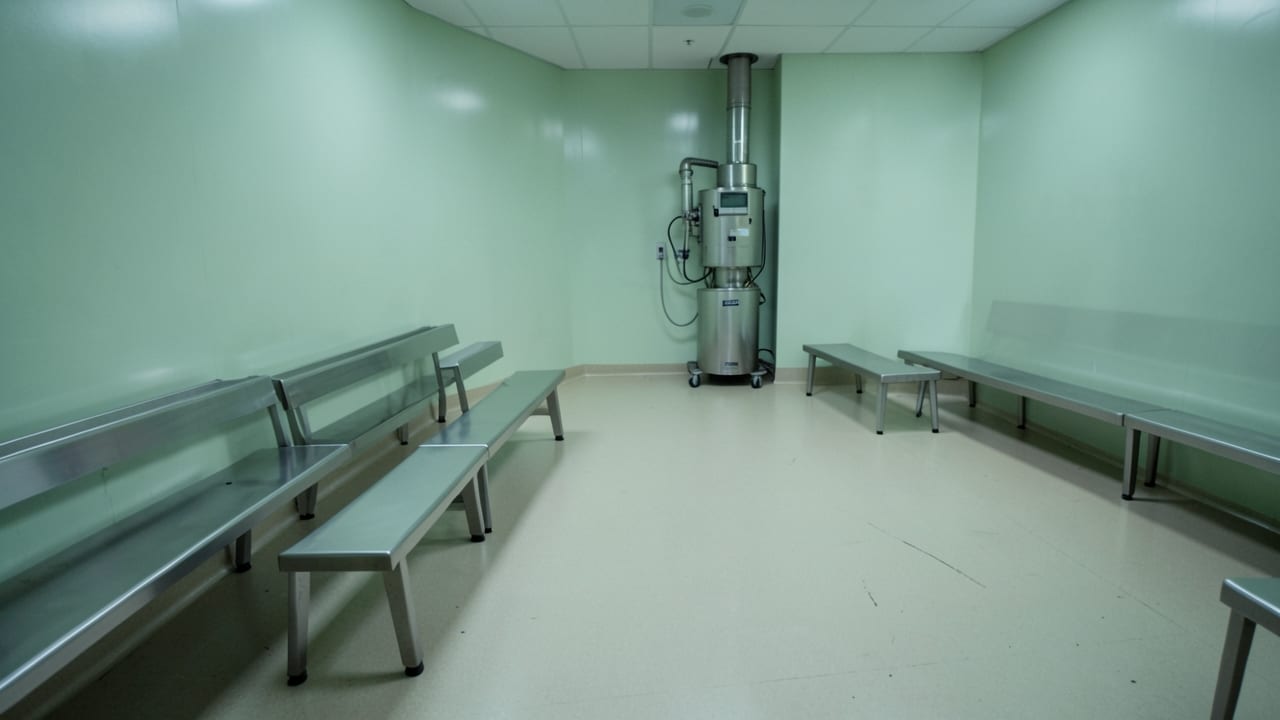
Gym Mold Remediation
Professional removal and treatment of mold in gyms to restore safe, clean environments.
Gym mold remediation in Belmont, CA, addresses hidden mold growth in fitness facilities, gyms, and recreational spaces, targeting moisture-prone areas like locker rooms, equipment storage, and HVAC systems. Without proper removal, mold can spread spores, damage structures, and pose health risks.
Professional remediation ensures containment, thorough cleaning, and moisture control to prevent regrowth and keep spaces safe for use.
We also handle Stone Countertop Mold Removal and Glass Window Mold Removal for Belmont properties.
When gym mold needs professional remediation
Mold in gyms often starts small but can quickly escalate due to high humidity, poor ventilation, and constant moisture from showers or equipment.
If mold covers more than a small patch (e.g., over 25 square feet), keeps returning after cleaning, or emits a musty odor with no visible source, it’s time for professional intervention. These signs indicate deeper moisture issues or hidden growth that DIY methods can’t resolve.
Gyms in Belmont, CA, are especially vulnerable due to the region’s coastal humidity and frequent use of spaces like locker rooms and saunas. Ignoring mold can lead to structural damage, compromised air quality, and health concerns for users.
Professional remediation ensures the mold is removed safely and the moisture source is addressed to prevent recurrence.
Signs Your Gym’s Mold Problem Needs Professional Help
- Mold covers more than 25 contiguous square feet (a threshold where DIY cleaning becomes ineffective).
- The mold keeps returning in the same spot after cleaning, signaling an unresolved moisture source.
- A musty odor persists even when no visible mold is present, often indicating hidden growth in walls or ductwork.
- The gym’s HVAC system spreads the smell or spores to other areas when turned on, suggesting duct contamination.
- You notice health symptoms (coughing, allergies, or irritation) linked to time spent in the gym.
How mold remediation protects your gym’s safety
Professional mold remediation in gyms follows strict containment protocols to prevent spores from spreading during removal. Plastic sheeting and negative-air machines seal off the work area, while HEPA-filtered air scrubbers and vacuums capture spores instead of recirculating them. This ensures the mold is contained and removed without contaminating unaffected spaces.
After removal, structural drying with industrial dehumidifiers and air movers ensures framing and subfloors are fully dry before the area is restored. Clearance testing by an independent lab confirms spore levels are safe before the gym can reopen. Without these steps, hidden moisture can cause regrowth, making the remediation ineffective.
| Step | Why It Matters | What Happens Without It |
|---|---|---|
| Containment with plastic sheeting and negative air | Prevents spores from spreading to clean areas during removal | Spores migrate through hallways and HVAC, contaminating the entire gym |
| HEPA air scrubbing and vacuuming | Captures spores instead of recirculating them | Standard filters release spores back into the air, worsening contamination |
| Structural drying with dehumidifiers | Eliminates hidden moisture that fuels regrowth | Damp materials re-grow mold within months, requiring repeat remediation |
| Independent clearance testing | Confirms spore levels are safe before reopening | No proof the remediation worked, risking ongoing exposure |
Preventing mold regrowth after remediation
The most common reason mold returns is that the moisture source—like a leak, poor ventilation, or condensation—wasn’t fixed during remediation. Even after professional cleaning, gyms in Belmont’s humid climate need ongoing moisture control, such as dehumidifiers in damp areas or improved airflow in windowless spaces like locker rooms.
Outdoor factors, like soil grading that directs water toward the foundation or downspouts dumping near walls, can also reintroduce moisture. Regularly checking humidity levels in previously affected areas and addressing any new dampness early can prevent mold from taking hold again.
How gym mold remediation works
Professional remediation follows a structured process to safely remove mold and prevent future growth.
- 1Containment Setup
The work area is sealed with plastic sheeting and negative-air machines to trap spores during removal, preventing them from spreading to other parts of the gym.
- 2Mold Removal
Porous materials like drywall or carpet padding are cut out and disposed of, while non-porous surfaces (e.g., tile, metal) are scrubbed and treated to kill remaining spores.
- 3HEPA Filtration
HEPA air scrubbers and vacuums run continuously to capture airborne spores, ensuring they aren’t recirculated into the gym’s air supply.
- 4Structural Drying
Industrial dehumidifiers and air movers dry framing and subfloors to normal moisture levels, eliminating hidden dampness that could fuel regrowth.
- 5Clearance Testing
An independent lab tests air or surfaces to confirm spore levels are safe before the containment is removed and the gym is reopened.
Frequently asked questions
What are the first signs that mold in my gym needs professional remediation?
Look for mold covering more than 25 square feet, persistent regrowth after cleaning, a musty odor with no visible source, or health symptoms like coughing or irritation when using the gym. These signs indicate deeper moisture issues or hidden contamination.
Can I clean mold in my gym myself, or do I need a professional?
Small, isolated patches (under 25 square feet) can sometimes be cleaned with bleach or vinegar, but professional remediation is needed for larger areas, hidden mold, or if the mold keeps returning. Professionals also address moisture sources to prevent future growth.
How long does gym mold remediation take, and can the gym stay open during the process?
Remediation timelines vary by size and complexity, but containment and drying can take days to weeks. Many gyms operate on a phased schedule or after hours to minimize disruptions, though some facilities may need to close temporarily for safety.
What should I do to prevent mold from coming back after remediation?
Fix any moisture sources (leaks, poor ventilation), use dehumidifiers in damp areas, and monitor humidity levels. Regularly inspect previously affected spaces for new dampness or odors to catch issues early.
Where Belmont sits, and what the Census lists nearby
Belmont sits in California, and the closest places listed in the U.S. Census Gazetteer are San Carlos (1.8 miles southeast), Baywood Park (2.8 miles west), Highlands (2.8 miles west), San Mateo (3.3 miles north). Within 25 miles of Belmont the same source lists 65 distinct incorporated places and census-designated places.
Those figures matter for gym mold remediation because they are straight-line distances between Census coordinate points: road mileage between Belmont and San Carlos runs longer than the 1.8 miles shown, which is why quotes for the same job differ between towns that look close together on a map.
Source: U.S. Census Bureau Gazetteer.
See Highlands, CA for more, or explore our full Belmont-area coverage in one place for our complete lineup.
Ready to get started?
Talk to a local mold remediation pro in Belmont — get a written quote.
Other Mold Remediation Services in Belmont
Stone Countertop Mold Removal in Belmont, CA
Professional removal of mold from stone countertops using specialized cleaning and treatment methods.
Learn More
Glass Window Mold Removal in Belmont, CA
Professional removal of mold from glass windows and frames to restore clarity and prevent spread.
Learn More
Stairwell Mold Remediation in Belmont, CA
Professional mold removal and prevention in stairwells to restore safe, clean spaces.
Learn More
Sunroom Mold Remediation in Belmont, CA
Professional removal and treatment of mold in sunrooms to restore a safe, clean space.
Learn More
Closet Mold Cleanup in Belmont, CA
Professional cleanup and removal of mold from closets to restore safe, healthy spaces.
Learn More
Pantry Mold Treatment in Belmont, CA
Professional assessment and removal of mold in pantry areas to restore a safe, clean space.
Learn MoreCommon Questions About Mold Remediation in Belmont
Everything you need to know about mold remediation services in Belmont
How much does Gym Mold Remediation typically cost in Belmont, CA?
Does coastal humidity around Belmont, CA change how mold risk is assessed?
How does mold remediation actually prevent the problem from coming back?
Can mold growing inside HVAC ductwork spread to the rest of a home?
Does mold mean the same thing as mildew?
Does homeowners insurance typically cover mold remediation?
Need Mold Remediation in Belmont?
Connect with local providers in Belmont for a detailed quote.
⏰ We answer your call • Serving all of Belmont and surrounding areas